Communities worldwide are coming together to build and maintain themselves where traditional Internet services are yet to reach.
For one-third of the population in rural, remote, and even urban communities worldwide, every day without Internet access is a day of lost opportunity.
On every continent, people and community organizations are leading the way with one goal: to connect their communities to the Internet.
We support these efforts and provide grant funding to build community networks. Learn more about them:
We are the Internet Society. A global community that believes the Internet is an opportunity. Not a luxury, but a lifeline—the key to accessing information, education, healthcare, and economic development. Since 2020, we have connected over 50 communities across six continents.
In a recent survey of 33 community network grantees, they shared their success:
have expanded and now connect more people to the Internet.
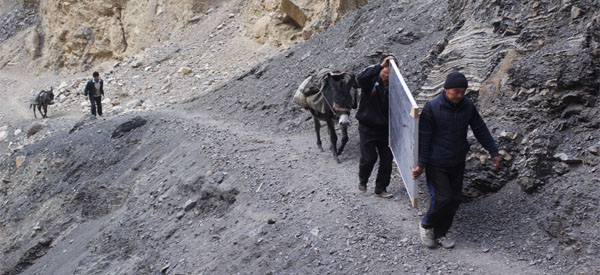
Considered the most difficult village to connect in Kyrgyzstan, Zardaly had no electricity and can only be reached by foot along a perilous cliffside trail. But with help from the Internet Society Kyrgyzstan Chapter, connection was made possible.
After the team hoisted a solar panel up the mountain and linked it to a car battery, Zardaly was connected! Villagers accessed educational materials, made video calls, and promoted business. But the first thing they did was advocate for their rights.
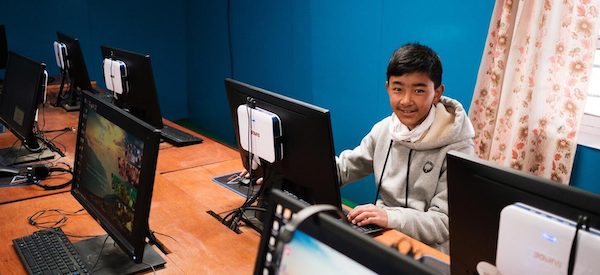
Children in the Khumjung school are more excited about their computer class than usual. The reason? They’re finally using the Internet—after years of learning about it only through textbooks.
All thanks to a local initiative, in partnership with the Internet Society, that built the highest community network in the world.
We also returned to the villages in May 2024 to train locals in computer and fiber networking so they can manage and troubleshoot the network.
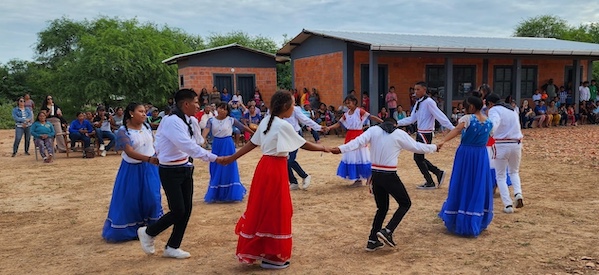
Part of the NANUM initiative to connect Indigenous women in the Chaco. The Fa’ay Lhavoquey—the Women Carob Harvesters Group—overcome digital isolation by building community networks to benefit native Nivaclé communities.
With access, they’ve expanded their carob flour business, improved their savings, and expanded access to educational materials in the local schools. Thanks to them, over a thousand Nivaclé people are connected.
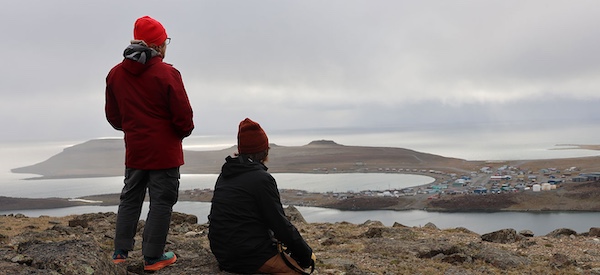
In Canada, 33 communities live in the vast and remote Northwest Territories. One of the challenges First Nations, Inuit, and Métis people face is the lack of connectivity: it’s hard to get infrastructure there, and the lack of economic incentives means these communities have been left behind for years.
But in 2023, all that started to change when the people of Ulukhaktok launched their own community network.
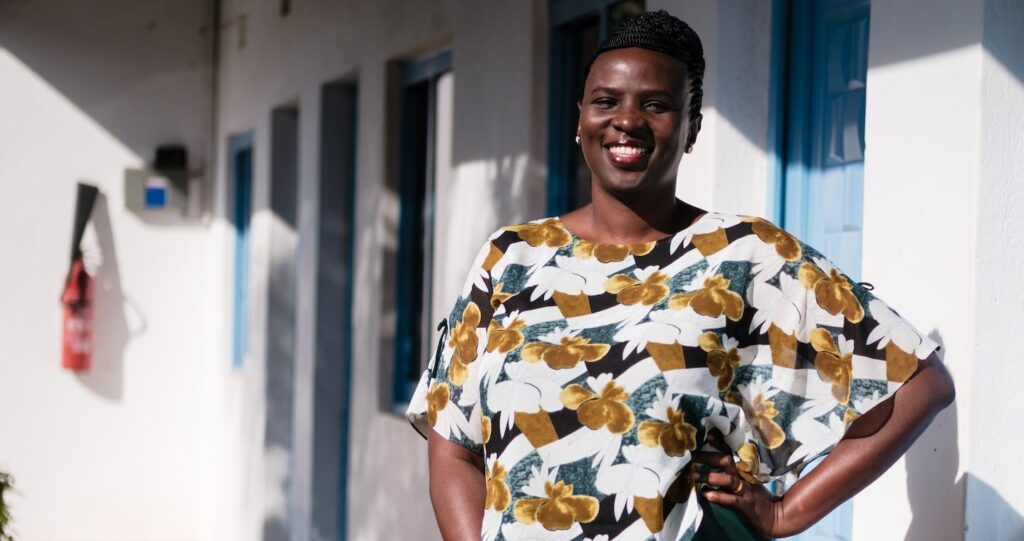
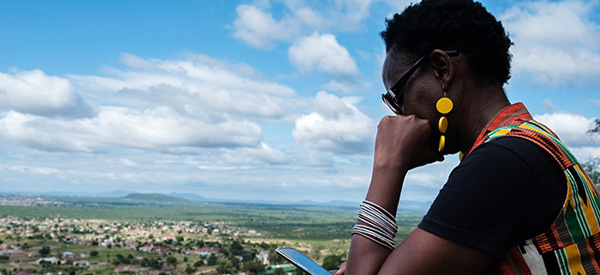
Kgopotso Magoro, inspired by an OpEd that claimed that “coming from a rural area is like being cursed” for the lack of opportunities available, started a journey that would lead to the creation of the Mamaila Community Network.